
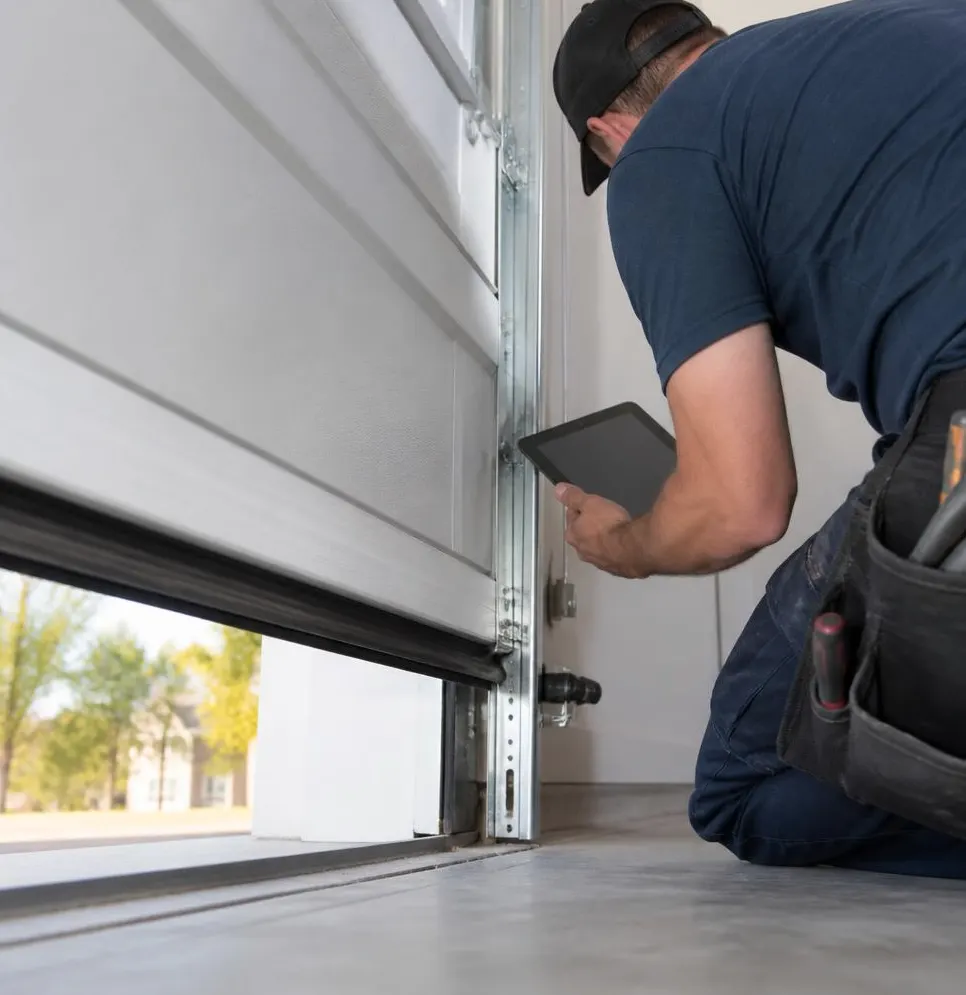
A typical call this time of year starts the same way: a homeowner notices the garage door is suddenly noisier, or it's sticking a little on the way down, or there's a gap of daylight along the bottom that wasn't there in August. Nothing dramatic happened — no storm, no accident. What happened is the weather changed. After months of heat and humidity, Myakka City starts cooling off and drying out heading into winter, and that shift in temperature and moisture is exactly when garage door problems that were building all summer finally show themselves.
Why the Season Change Matters for Your Door
Garage doors in this part of Florida spend hurricane season absorbing moisture. Wood panels swell slightly, steel hardware picks up surface rust from salt air and humidity, and tracks can get nudged out of true alignment by wind-driven rain and debris. When drier, cooler air moves in, those same materials contract. Wood shrinks back down, metal keeps whatever rust took hold, and small misalignments that were masked by swelling become noticeable gaps, rattles, or binding. Fall and winter is the natural checkpoint to catch all of it before it turns into a stuck door or a stranded car on a cool morning.
Check the Hardware for Rust Before It Spreads
Walk your garage with a flashlight and look closely at the rollers, hinges, and track brackets. Surface rust after a humid summer is common and usually not urgent, but left alone through winter it pits metal and makes rollers bind or hinges crack. Wipe down visibly rusted hardware, and if a roller looks pitted or a hinge is bent, that's a sign of wear that's been accumulating, not something that just appeared. Lubricating moving parts — rollers, hinges, the springs themselves — with a garage-door-specific lubricant (not WD-40, which washes away and attracts grit) is one of the cheapest things you can do to keep the system quiet and smooth through the cooler months.
Weatherstripping and Seals
The rubber seal along the bottom of the door and the weatherstripping around the frame take a beating from afternoon downpours and UV all summer. By fall it's common to find it cracked, flattened, or pulled loose in spots. A gapped or brittle seal doesn't just let in cooler night air — it lets in rain during the next heavy storm, pests looking for a dry spot, and dust. Replacing it is inexpensive and usually a straightforward swap, but it's worth doing before winter rather than after you've already got water pooling inside the garage on a rainy night.
Springs and Cables After a Season of Heat
Springs and cables work harder than most homeowners realize, and heat and humidity accelerate wear on the coating and the metal underneath. A spring that was fine in July can be down to its last few cycles by November, especially if it was already older. Warning signs include a door that feels heavier than usual when opened manually, a visible gap in the spring coil, or a loud bang from the garage (a spring snapping). Cables fraying near the bottom bracket are another thing to watch for — frayed strands are a sign the cable could fail soon, and a failed cable can let a door drop unevenly or come off track. These aren't DIY repairs; torsion springs are under heavy tension and a cable under load can cause real injury if it lets go while you're working on it.
Opener Performance and Sensors
Humidity and heat can slow down an opener's motor and gum up the drive mechanism over a Florida summer, and salt air near the coast accelerates corrosion on the circuit board and sensor housings. If your opener has been struggling, reversing unexpectedly, or the remote range has gotten shorter, cooler weather is a good time to have it looked at — before you're relying on it daily through winter mornings. Clean the safety sensor lenses near the floor (a spider web or film of dust is enough to cause false reversals) and confirm the door closes fully and consistently.
Panels and Track Alignment
If your door took any wind load during hurricane season — even without obvious damage — it's worth checking that the panels sit flush and the tracks are still straight. A panel that's slightly bowed or a track that's a few millimeters out of alignment won't always stop the door from working, but it will make the opener strain, wear the rollers faster, and eventually cause the door to bind or jump the track. Catching this in fall, before the next storm season adds more stress, is a lot cheaper than dealing with a door that's come off track entirely.
When to Call Myakka City Garage Door Repair
If you're hearing new noises, seeing rust spreading on hardware, finding daylight under the door, or your opener is acting inconsistent, that's the point to get a technician out rather than wait and see. We handle garage door maintenance and tune-up visits that cover lubrication, hardware inspection, and alignment checks — the kind of once-a-year service that catches small problems while they're still small. If a spring looks worn or a cable is fraying, our garage door spring repair and cable repair crews can replace them safely with the right tension and hardware for your door. And if a panel got knocked out of shape or a door came off track during a summer storm, we handle off track door repair and panel replacement so the door closes flush and seals properly again before winter settles in.
If you're in Myakka City, Sarasota, Bradenton, Arcadia, Wauchula, North Port, Venice, or Lakewood Ranch and your garage door needs a pre-winter check, call Myakka City Garage Door Repair. We offer same day garage door service and we'll get it sorted right the first time.